Founder and CEO: Muhammad Salman Nasir is attending the CEATEC 2026 in...


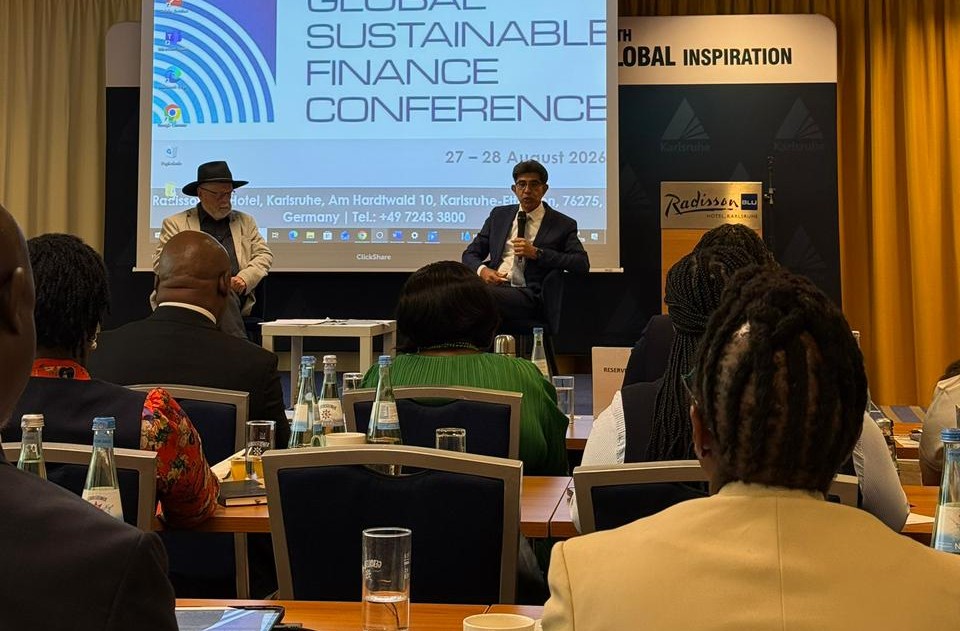
Karlsruhe, Germany — 27–28 August 2026
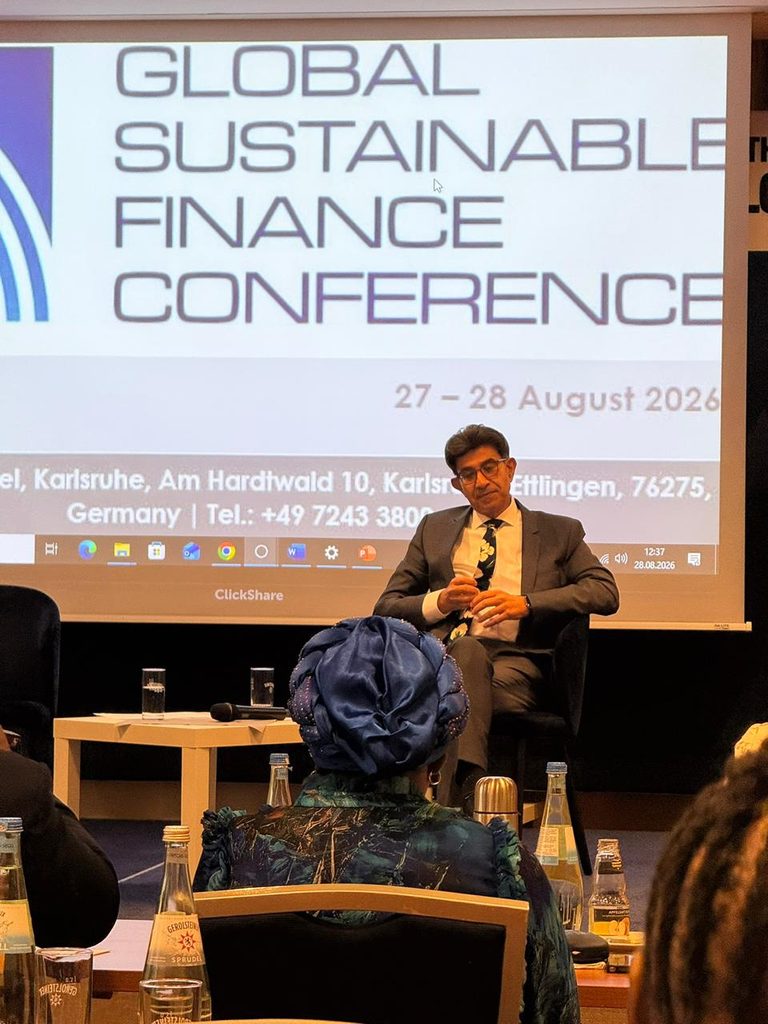
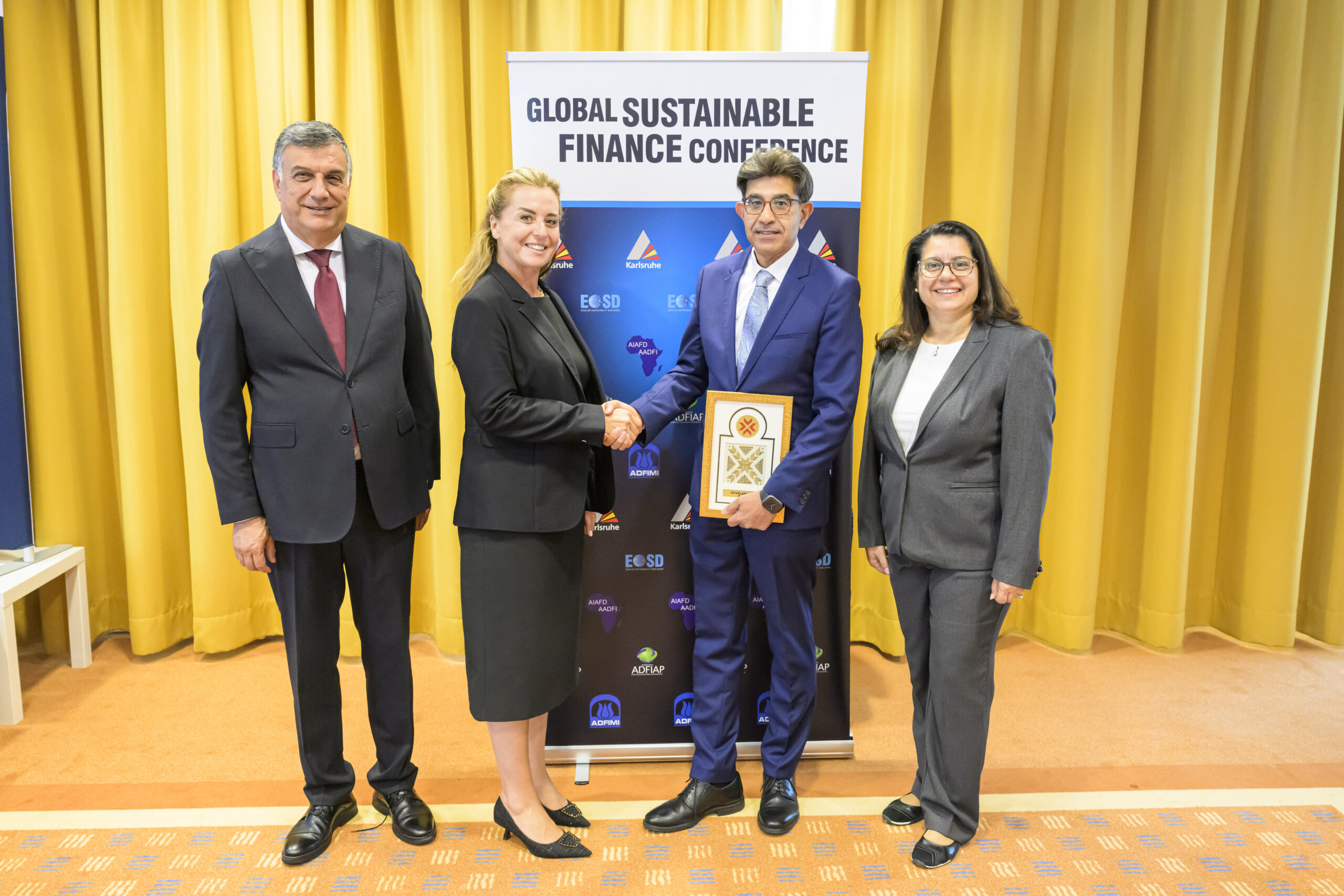
Muhammad Salman Nasir, Founder & CEO of About Digital and Deputy Convener – IT at the Federation of Pakistan Chambers of Commerce & Industry (FPCCI), represented Pakistan at the Global Sustainable Finance Conference (GSFC) 2026, held in the German city of Karlsruhe on 27–28 August 2026. The two-day international forum brought together senior leaders from development finance institutions, commercial banks, regulators, institutional investors, public authorities, and the private sector to explore how the world can mobilise capital into productive sectors, infrastructure, and sustainable development.
Organised by the European Organisation for Sustainable Development (EOSD) in partnership with the City of Karlsruhe, this year’s conference was themed “Turning Global Disruption into Investment at Scale.” The theme captured the urgency felt across the global financial community: in a world marked by economic uncertainty, climate stress, and shifting geopolitical dynamics, sustainable finance is no longer a niche conversation — it is becoming central to how capital is deployed at scale.
For About Digital, whose work sits at the intersection of technology, digital transformation, and forward-looking business strategy, participation in GSFC 2026 offered a rare vantage point: a first-hand look at how sustainability, finance, and technology are converging internationally — and what that convergence could mean for Pakistan.
A Global Gathering with a Clear Purpose
GSFC 2026 was not a conventional conference of speeches and panels alone. It was designed specifically for decision-makers — CEOs, board members, regulators, institutional investors, and representatives of development finance institutions — with the explicit goal of turning international dialogue into real investment pipelines. This distinguishes it from many sustainability forums that remain largely theoretical; GSFC was built around bankable projects, practical technologies, and institutional relationship-building.
During the event, Muhammad Salman Nasir had the opportunity to engage directly with several key figures shaping the global sustainable finance agenda, including:
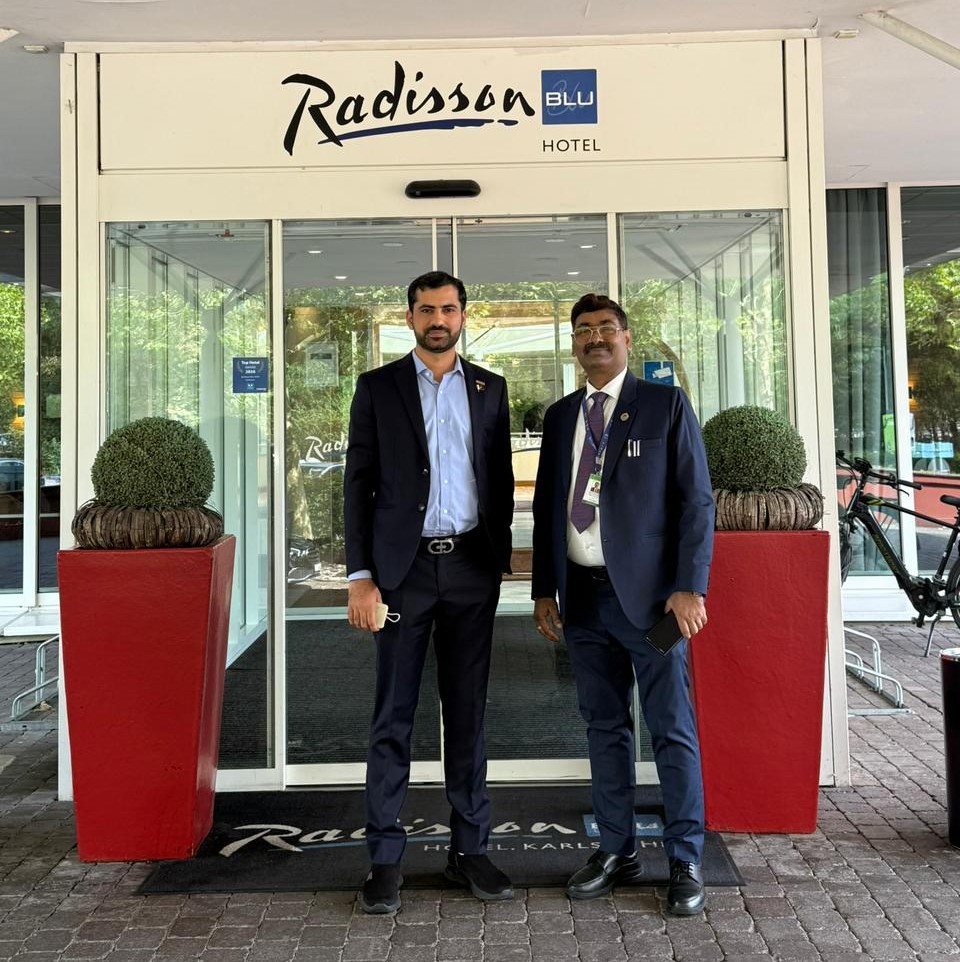
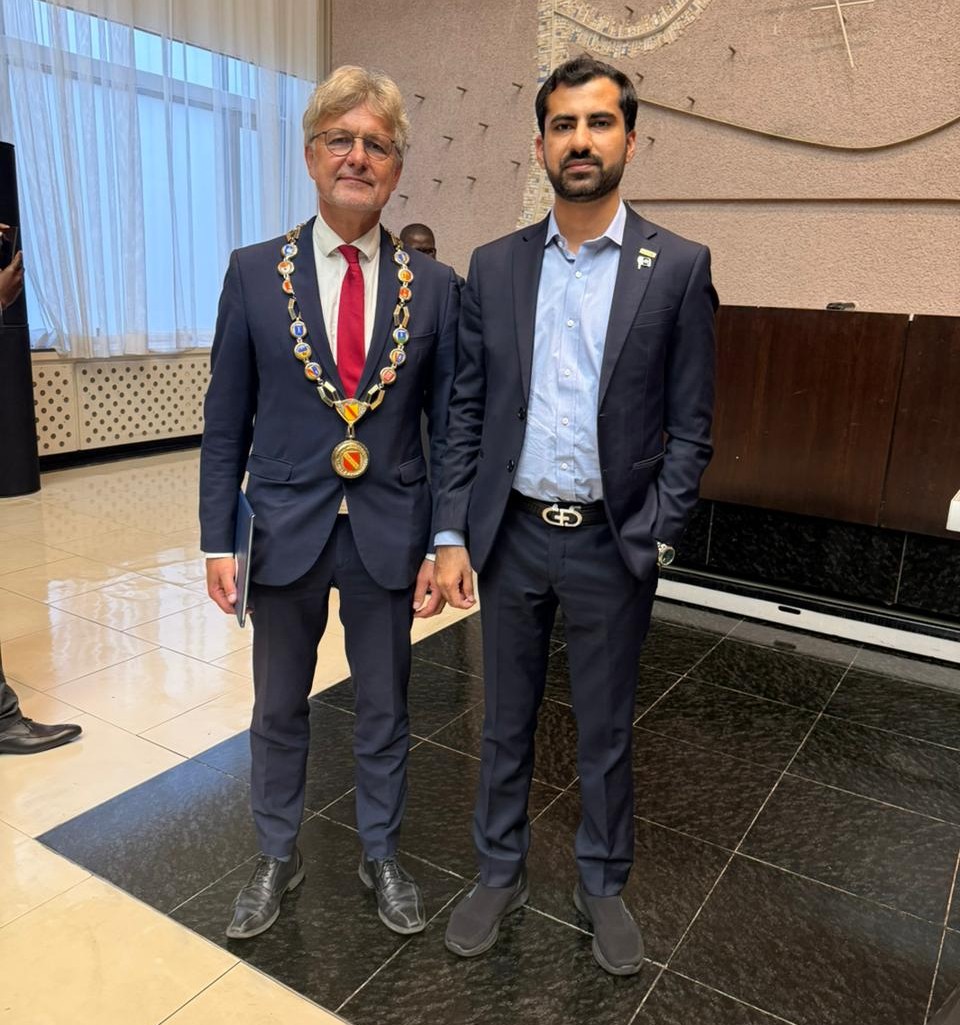
These interactions reflected the truly international character of the conference, with delegates representing diverse regions and development contexts, all connected by a shared interest in sustainable, investment-ready solutions.
The programme also included exposure to the city of Karlsruhe itself and concluded with the prestigious Karlsruhe Sustainable Finance Awards, which recognised institutions and individuals for outstanding achievements in sustainable financial products, sustainable project financing, business sustainability, and leadership in the field.
Learning From the World: Projects with Direct Relevance to Pakistan
One of the most valuable outcomes of attending GSFC 2026 was exposure to real, practical sustainability initiatives being implemented in other countries — several of which carry direct relevance and adaptability potential for Pakistan.
1. Plastic Waste Management and Resource Recovery — Lessons from Indonesia
A particularly compelling discussion took place with Arief Subekti from Indonesia, centred on technologies for converting plastic waste into recoverable value, including the potential processing of difficult-to-recycle plastics into fuel and other resource products.
This is a subject of immediate relevance to Pakistan. Cities like Karachi and Lahore — much like Jakarta — are large, densely populated urban centres struggling with the scale of municipal and plastic waste generated every day. Since conventional plastics are derived primarily from petrochemical feedstocks, technologies that can recover usable energy or resources from waste plastic deserve serious technical and environmental evaluation in the Pakistani context.
About Digital’s takeaway: There is a clear opportunity for FPCCI to help facilitate engagement between Indonesian project stakeholders and Pakistani government and private-sector institutions, with the aim of assessing the feasibility of a pilot plastic-waste resource-recovery project in Lahore or Karachi. Any such pilot would need to undergo independent environmental, emissions, technical, and commercial assessment before implementation — but the underlying concept represents a meaningful step toward addressing one of Pakistan’s most visible urban sustainability challenges.
2. Glacial Meltwater Conservation and Climate Resilience
Another project presented at the conference focused on the conservation and management of glacial meltwater for communities that depend on glacier-fed water systems. The approach involves building storage structures or ponds in glacier-dependent regions to capture meltwater, using natural cold conditions for seasonal storage or freezing, and then gradually releasing that water to communities during warmer, water-stressed periods of the year.
This concept holds particular significance for Pakistan, given the country’s extensive northern glacier systems and its growing exposure to the effects of climate change, including glacial melting and shifting patterns of water availability. As water security becomes an increasingly urgent national issue, solutions of this kind — tested and refined elsewhere — could offer a starting point for local adaptation.
About Digital’s takeaway: Pakistan should explore whether similar meltwater conservation solutions can be adapted for suitable locations in its northern regions, working in collaboration with climate experts, local communities, and relevant government departments. Given the scale of the challenge, even pilot-stage exploration would represent meaningful progress.
The Rise of AI-Enabled Sustainable Finance
As a technology-focused organisation, About Digital paid particularly close attention to the sessions on how artificial intelligence and digital tools are being used to support sustainable finance decision-making. EOSD presented its approach to using AI-enabled platforms to help financial institutions assess the sustainability and impact of projects, businesses, and financing decisions.
In practice, such platforms can help banks, development finance institutions, and investment funds analyse potential projects and clients not only from a financial-viability perspective, but also from a broader sustainability and impact standpoint — enabling more informed, responsible capital allocation. This approach aligns with EOSD’s wider philosophy of positioning financial institutions at the centre of sustainable economic transformation, an approach reinforced by EOSD’s Sustainability Standards and Certification Initiative, which has already been adopted by financial institutions internationally.
Why this matters for Pakistan: Pakistani commercial banks, development finance institutions, investment funds, and regulators have a genuine opportunity here. AI-assisted sustainability and impact assessment tools could help local financial institutions evaluate the environmental, social, and economic dimensions of a project — not just its conventional financial return — before capital is deployed. This is precisely the kind of technology-driven transformation that About Digital exists to champion: bringing intelligent, data-driven tools into sectors where they can create measurable, real-world impact.
FPCCI is well placed to play a facilitation role here — connecting EOSD and other international sustainable-finance institutions with relevant Pakistani stakeholders, and exploring demonstrations, knowledge-sharing sessions, or pilot adoption of these technologies.
A Call for Stronger Pakistani Representation
One clear observation from GSFC 2026 was the depth and seniority of institutional representation from other countries — financial institutions, development finance organisations, public authorities, and private-sector leaders were present in strength from multiple regions. By comparison, Pakistan’s institutional and private-sector presence at the conference appeared limited.
This is notable because Pakistan is not short of opportunity. The country holds substantial, largely untapped potential in renewable energy, climate adaptation, water management, waste management, sustainable infrastructure, agriculture, technology, and industrial development. What is often missing is not opportunity, but visibility — Pakistani institutions need to not only attend international forums like GSFC, but actively present bankable, investment-ready projects to the development finance institutions and investors gathered there.
This is a gap that platforms like FPCCI, working alongside forward-looking organisations such as About Digital, are well positioned to help close.
Recommendations Arising from GSFC 2026
Based on his participation and the relationships built at GSFC 2026, Muhammad Salman Nasir has put forward a set of recommendations for FPCCI’s consideration:
Why This Matters for About Digital
At About Digital, our work is grounded in the belief that technology, when applied thoughtfully, can help solve some of the most pressing challenges facing Pakistan — from urban waste management to climate resilience to responsible financial decision-making. GSFC 2026 reinforced this belief on a global stage. It demonstrated that the most effective sustainability solutions are not built on policy discussion alone, but on the practical convergence of finance, technology, and implementation.
Representing FPCCI at this forum allowed us to bring back concrete ideas, international connections, and a clearer understanding of where Pakistan stands — and where it can go — in the global sustainable finance conversation. The projects discussed in Karlsruhe, from plastic-waste resource recovery to glacial-water conservation to AI-enabled sustainable financing platforms, are not abstract concepts. They are working models that Pakistan can study, adapt, and eventually implement.
Looking Ahead
The real opportunity now lies in converting the learnings from GSFC 2026 into tangible outcomes: institutional engagement, feasibility studies, and carefully chosen pilot projects within Pakistan. Equally important is ensuring that Pakistani banks, investment institutions, government bodies, and private-sector organisations secure a stronger, more visible presence at future global sustainable-finance platforms.
About Digital remains committed to supporting this journey — bridging the gap between global best practice and local implementation, and helping ensure that Pakistan’s considerable sustainability challenges are matched by an equally considerable investment response.
Muhammad Salman Nasir is the Founder & CEO of About Digital and Deputy Convener – IT at the Federation of Pakistan Chambers of Commerce & Industry (FPCCI). He attended GSFC 2026 in Karlsruhe, Germany, on 27–28 August 2026, representing FPCCI at the international forum.
Founder and CEO: Muhammad Salman Nasir is attending the CEATEC 2026 in...
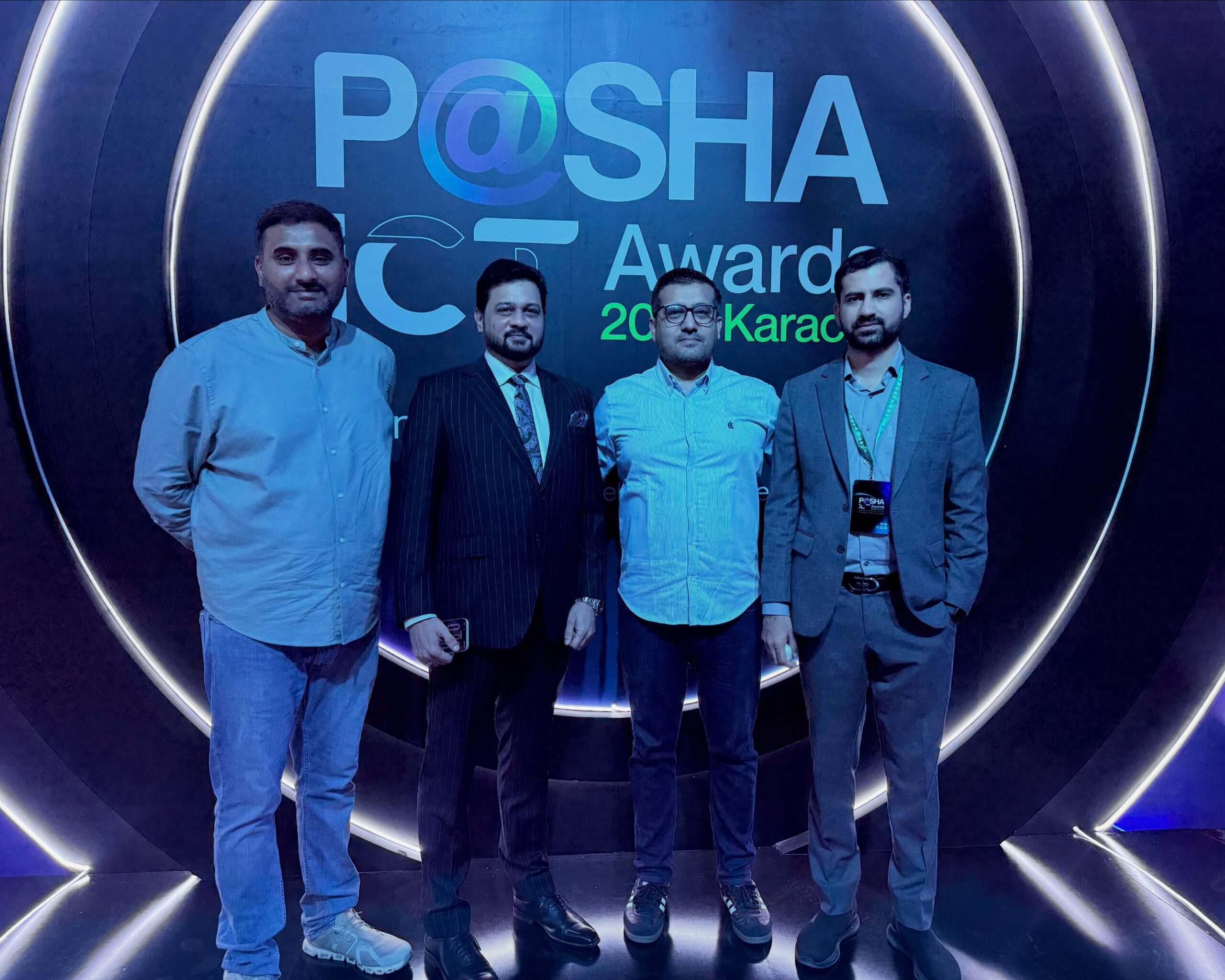
Karachi recently played host to one of the most anticipated nights on...
1. Executive Summary I had the opportunity to represent FPCCI at the...