An evening in Oslo with China’s innovators Some events give you information....
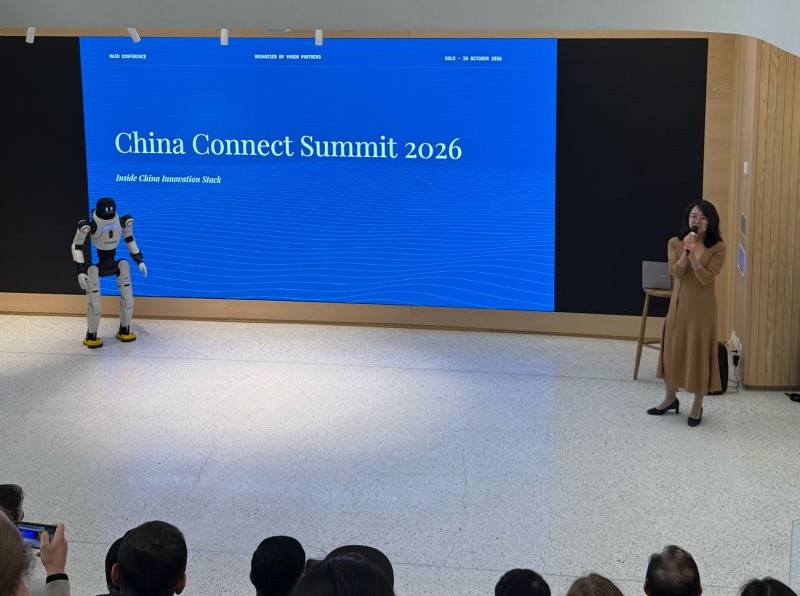

Some events give you information. The best ones change how you see the world. China Connect Oslo: Inside China’s Innovation Stack was the second kind.
The evening took place at NIO House as part of Oslo Innovation Week 2026. The setting itself made a point. NIO is a Chinese electric vehicle brand, and here it was, hosting founders, investors and technologists in the heart of Norway. It was a quiet reminder that Chinese innovation is no longer something happening “over there.” It is already part of daily life in Europe.
The theme was simple but ambitious: understand how China builds technology, layer by layer. We explored artificial intelligence, robotics, humanoid technology, and what all of it means for the future of global innovation. I left with more questions than answers, and I think that is exactly what a good evening should do.
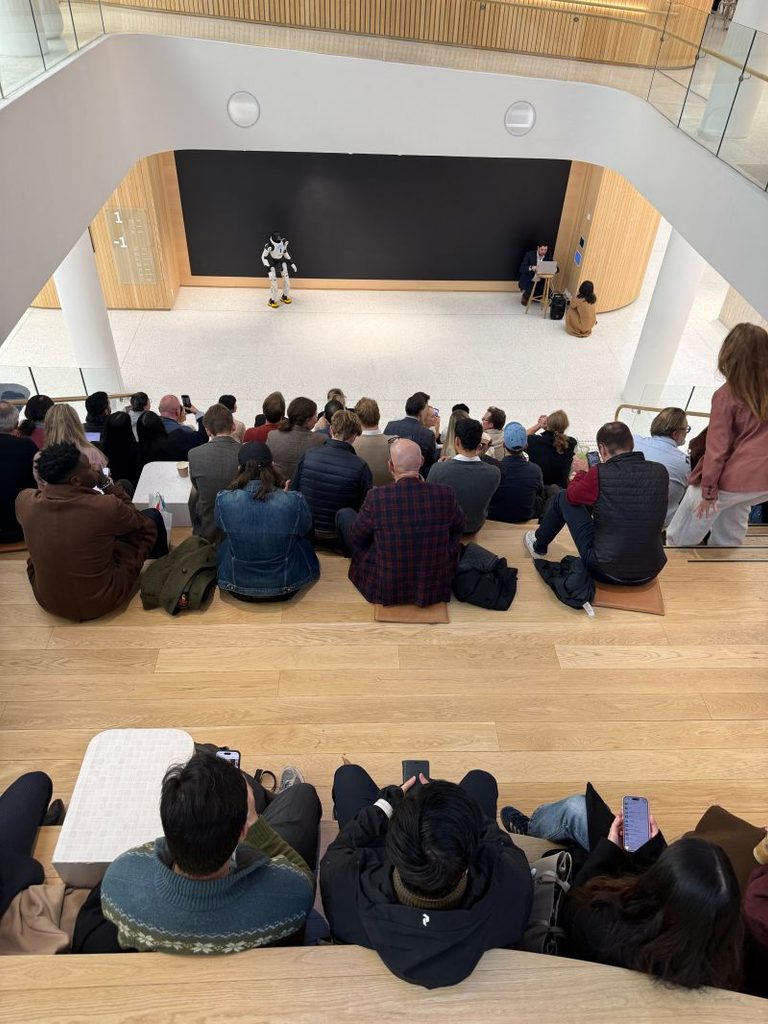
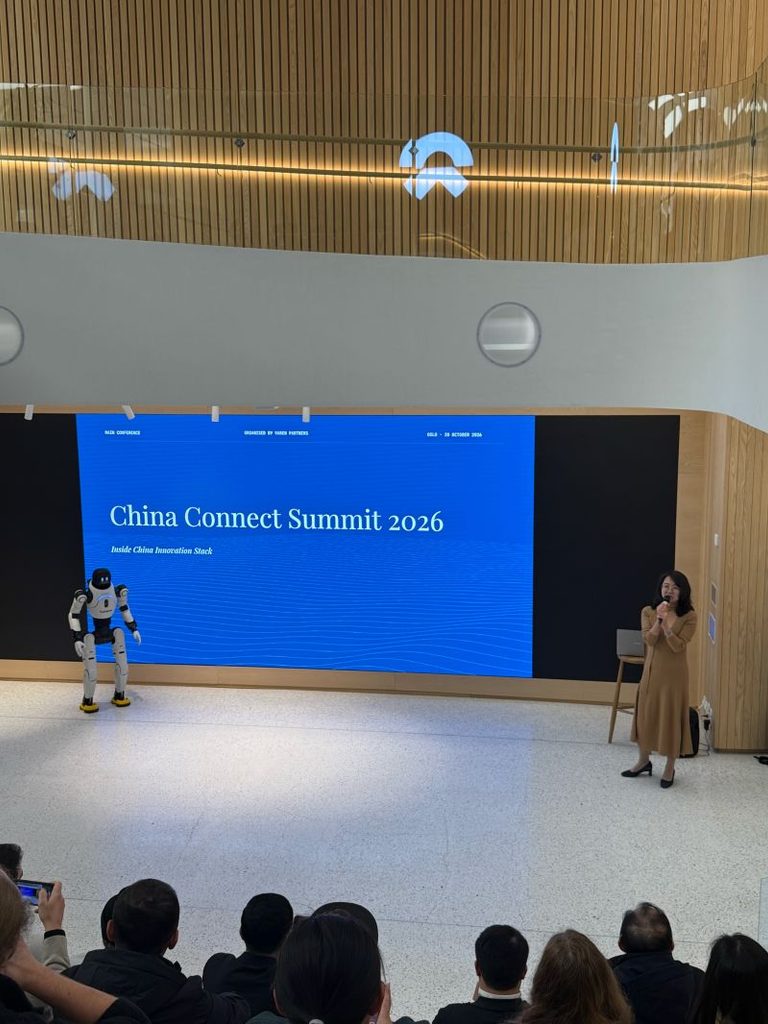
The phrase “innovation stack” stayed with me. We usually talk about innovation as single breakthroughs: one product, one company, one founder. China’s approach looks different. It is a stack of layers that reinforce each other.
At the bottom is manufacturing depth. Above it sit supply chains, hardware talent and fast prototyping. Then come software, AI models and data. At the top are consumer markets large enough to test ideas at huge scale. When these layers sit close together, a new idea can move from lab to factory to customer very quickly.
This is why the rest of the world is paying attention. It is not only about who has the best algorithm. It is about who can turn ideas into real products fastest, and at the lowest cost.
Much of the global AI conversation focuses on which model tops the latest benchmark. The discussion in Oslo pointed to something more practical. In China, a lot of the energy goes into applying AI to real problems.
Think of AI inside logistics, retail, manufacturing lines, cars and customer service. The goal is not only to build the smartest system. It is to put useful intelligence into products that millions of people already use.
This application-first mindset is a lesson for every founder. Customers rarely pay for technology itself. They pay for a problem solved. The teams that win will be the ones who connect AI to a clear, everyday need, and then ship, learn and improve faster than everyone else.
If AI is the brain, robotics is the body. This was the part of the evening that felt most like a glimpse of the future.
Humanoid robots are moving from science fiction into factories, warehouses and research labs. China’s strength in hardware gives it a real edge here. Motors, sensors, batteries and precision parts are all needed to build robots, and much of that supply chain already exists in one place. That lowers costs and speeds up each new version.
The bigger idea is what some call embodied AI: intelligence that can see, move and act in the real world. It raises exciting possibilities, like help for ageing populations, safer workplaces and more productive industries. It also raises serious questions about jobs, safety and ethics. The countries and companies that handle both sides well will shape the next decade.
As an entrepreneur with roots in Pakistan, I kept asking myself one question: what can founders like us take from this?
Pakistan has a young population, growing tech talent and a strong entrepreneurial spirit. With the right partnerships and focus, it can become part of this global innovation story rather than just watching it.
Technology was the topic, but people were the highlight. Events like this are really about the conversations in between sessions, the ideas shared over coffee and the connections that continue long after.
It was a pleasure to connect with Henry Shek, Danchun Chen (Founder, Varen Partners), Sharjeel Shahab, Rehan Allahwala, Azam Malik, Mehroz Azam and Arzish Azam. Thank you as well to Techstone and Ai Tour China, and to every fellow entrepreneur who shared their time and perspective.
Each conversation added a new angle. Some focused on investment, some on technology, and some on how to build bridges between markets. Together, they made the evening far richer than any single talk could.
China Connect Oslo reminded me that the future of innovation will not be built in one country. It will be built in the connections between them.
China is showing what happens when AI, robotics, hardware and markets grow together as one stack. Europe brings research, design and strong values around sustainability and trust. Emerging markets like Pakistan bring energy, talent and hunger to grow. The real opportunity lies in bringing these strengths together.
I am grateful to the organisers, to NIO House and to Oslo Innovation Week for creating a space for these conversations. I am leaving Oslo inspired, curious and ready to keep building bridges.
If you were there too, or if you work at the meeting point of AI, robotics and global markets, I would love to connect and hear your perspective.
An evening in Oslo with China’s innovators Some events give you information....
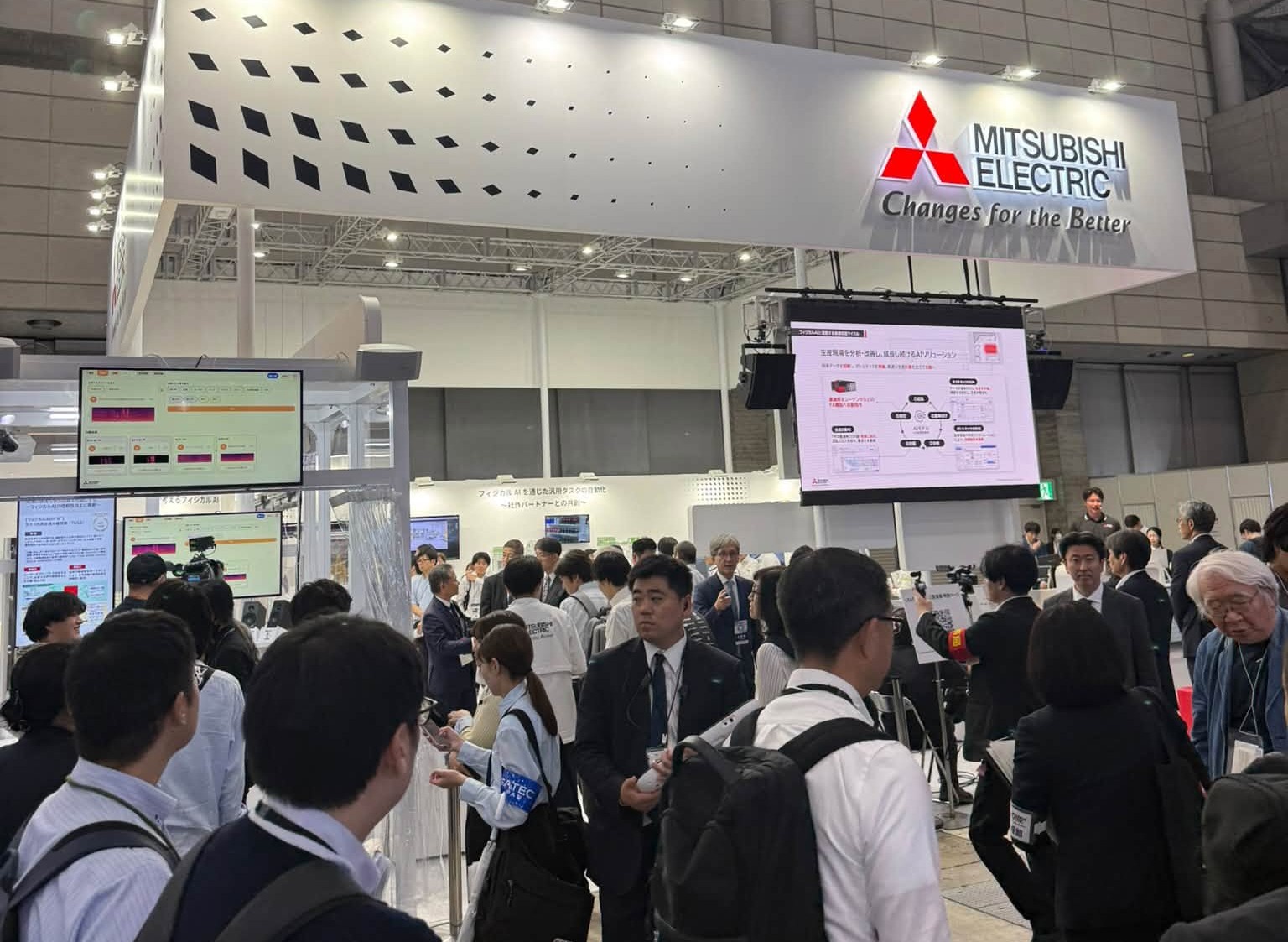
Founder and CEO: Muhammad Salman Nasir is attending the CEATEC 2026 in...
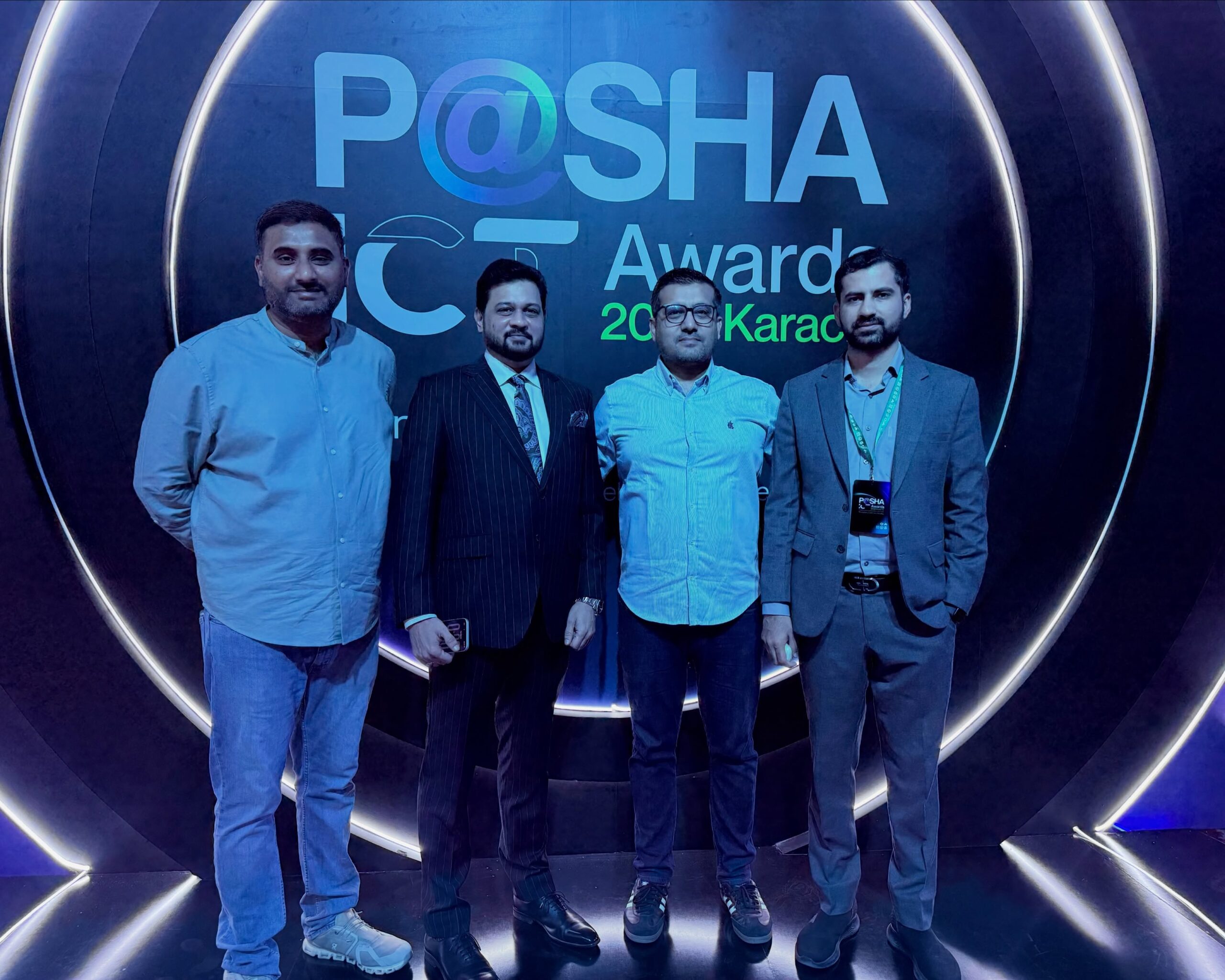
Karachi recently played host to one of the most anticipated nights on...